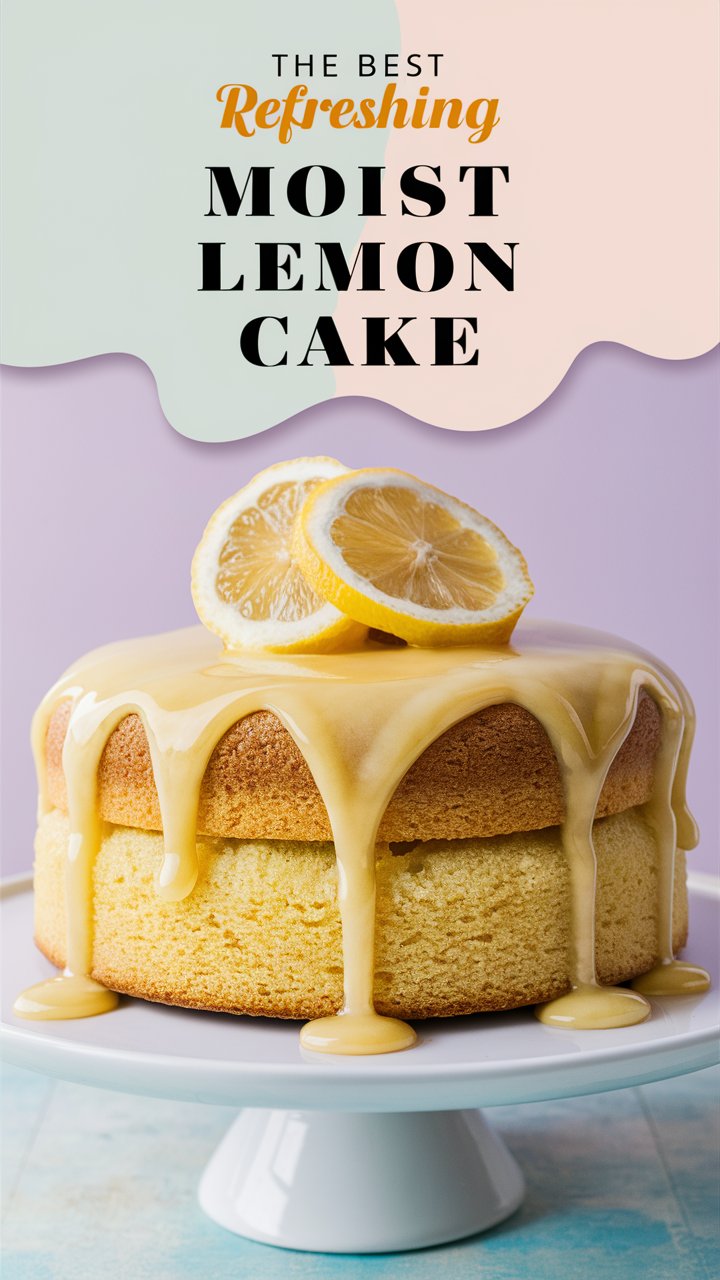
Discover the perfect lemon cake—soft, tangy, and radiant with real citrus. Learn pro-tested techniques, science-based tips, and creative variations for your best bake ever.
Introduction
Few desserts capture sunshine the way a lemon cake does. One slice releases a bright aroma that feels like spring in the air—soft crumb, glossy glaze, and the kind of zest that makes every forkful glow.
This guide goes beyond an ordinary recipe. Here you’ll find ingredient science, expert baking secrets, diet-friendly variations, and answers to every troubleshooting question bakers face.
Ingredients & Why They Matter
| Ingredient | Quantity | Function in the Recipe |
|---|---|---|
| Unsalted butter (softened) | ¾ cup (170 g) | Adds richness and aerates batter for a tender crumb |
| Granulated sugar | 1 cup (200 g) | Sweetness + assists creaming for light texture |
| Large eggs | 3 | Bind ingredients, add moisture, aid structure |
| All-purpose flour | 2 cups (250 g) | Base structure; balanced gluten for soft crumb |
| Baking powder | 2 tsp | Leavening; reacts with lemon acidity for lift |
| Salt | ¼ tsp | Balances flavor; sharpens citrus notes |
| Whole milk | ½ cup (120 ml) | Moisture and tenderness |
| Fresh lemon juice | 3 Tbsp | Tang + activates baking powder |
| Lemon zest | 1 Tbsp | Concentrated citrus oils for aroma |
| Vanilla extract | 1 tsp | Rounds out tartness |
| Powdered sugar (for glaze) | 1 cup (120 g) | Sweet coating |
| Extra lemon juice (for glaze) | 2–3 Tbsp | Creates glossy, tangy finish |

Step-by-Step Method
🥣 1. Prepare the Essentials
Preheat oven to 350 °F / 175 °C. Grease and line an 8-inch (20 cm) round pan or loaf tin.
Room-temperature ingredients are crucial: they blend evenly, trapping air that makes your cake fluffy.
🧈 2. Cream Butter & Sugar
Beat butter and sugar on medium speed for 3–4 minutes until pale and airy.
Science tip: Creaming creates tiny air pockets that expand during baking—your key to a delicate crumb.
🍳 3. Add Eggs
Add one egg at a time, beating well after each. Mix in vanilla. If the batter looks slightly curdled, don’t panic; the flour will stabilize it.
🍋 4. Combine Dry Ingredients
Whisk flour, baking powder, and salt together. This prevents uneven rising or pockets of baking powder.
🧁 5. Mix Wet & Dry
Add half the dry mixture to the creamed base, then pour in milk and lemon juice. Finish with remaining flour and zest.
Stir gently—over-mixing toughens the cake.
🔥 6. Bake
Pour into prepared pan. Bake 35–40 minutes, or until a toothpick emerges clean.
Cool 10 minutes, then remove to a rack.
✨ 7. Glaze
Whisk powdered sugar with lemon juice to a smooth drizzle. Pour over warm cake so it forms a translucent glaze that sets beautifully.
The Science of a Perfect Lemon Cake
- Acidity + Leavening: Lemon juice (acid) reacts with baking powder (alkaline) to produce CO₂ bubbles—your natural lift.
- Butter Temperature: Soft (not melted) butter traps air efficiently during creaming, creating micro-pockets that expand in the oven.
- Zest Oils: Citrus oils are volatile; rubbing zest into sugar before mixing intensifies aroma.
- Moisture Balance: A 1:1 fat-to-flour ratio ensures moisture without greasiness.

Variations
🥥 Coconut-Lemon Dream
Replace ¼ cup flour with desiccated coconut and add a coconut-milk glaze. Tropical and rich.
🌱 Vegan Lemon Cake
Swap butter for ¾ cup vegan margarine, eggs for ¾ cup applesauce, and milk for plant milk. Bake 5 minutes longer.
🌾 Gluten-Free Lemon Loaf
Use a 1:1 gluten-free flour blend; add ½ tsp xanthan gum for structure.
🍋 Lemon-Blueberry Burst
Fold 1 cup fresh blueberries into the batter—coat them in flour first to prevent sinking.
Pro Presentation & Serving Ideas
- Top with candied lemon slices or thin zest curls.
- Serve with mascarpone cream or vanilla ice cream.
- For afternoon tea, pair with Earl Grey—bergamot enhances citrus.
- Dust with powdered sugar just before serving for a bakery finish.
Storage & Shelf Life
| Storage Method | Duration | Best Practice |
|---|---|---|
| Room temperature | 2 days | Keep in airtight container |
| Refrigerated | 5 days | Bring to room temp before serving |
| Frozen | 2 months | Wrap tightly in plastic + foil; thaw overnight |
To refresh, warm slices 10 seconds in microwave or 3 minutes in a 300 °F (150 °C) oven.
Troubleshooting Guide
| Problem | Likely Cause | Quick Fix |
|---|---|---|
| Dense texture | Over-mixing or cold butter | Use room-temperature ingredients; cream fully |
| Dry cake | Over-baked | Check 5 min early; wrap warm cake to trap steam |
| Flat top | Expired baking powder | Replace every 6 months |
| Glaze too runny | Too much lemon juice | Add more powdered sugar until desired thickness |

Frequently Asked Questions
Q 1: Can I use bottled lemon juice?
Fresh is best—bottled juice lacks essential oils that create aroma and brightness.
Q 2: How do I make my cake extra fluffy?
Ensure butter and sugar are properly creamed, and never skip sifting dry ingredients.
Q 3: What frosting pairs best?
A tangy cream-cheese frosting or whipped mascarpone keeps the citrus balanced.
Q 4: Can I bake this as cupcakes?
Yes! Divide batter among 12 liners, bake 18–20 minutes.
Q 5: Why does my lemon flavor fade after baking?
Heat diminishes zest oils—add a touch of lemon extract to preserve punch.
Nutrition Facts (Per Slice ≈ 1/10 cake)
- Calories: 320
- Fat: 14 g
- Carbohydrates: 43 g
- Protein: 4 g
- Sugar: 28 g
- Fiber: 1 g
(Values approximate; vary by ingredient brand.)
Expert Notes & Pro Tips
- Rub zest directly into sugar before creaming—it releases fragrant oils.
- For extra moisture, brush cake with warm lemon syrup right out of the oven.
- A pinch of turmeric gives natural color without altering flavor.
- Always cool completely before glazing; hot glaze slides off, cold cake dulls shine.
Conclusion
Every slice of this lemon cake is a celebration of simplicity done right—crisp edges, melting crumb, and bright citrus that wakes up your senses. Whether served at brunch, birthdays, or quiet afternoons, it’s proof that when butter meets lemon, ordinary becomes unforgettable.
So preheat that oven, zest a fresh lemon, and bring a little sunshine to your table today.