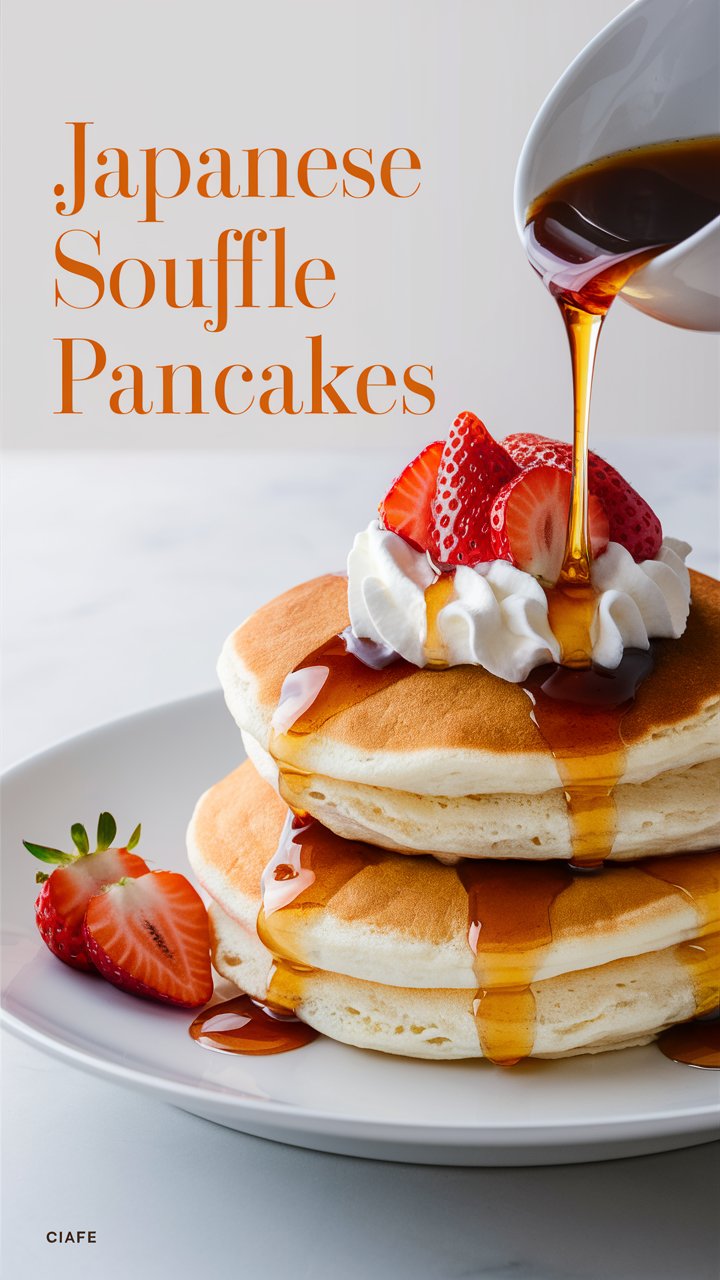
Imagine a pancake so airy that it jiggles on the plate, melts in your mouth, and looks like something straight out of a Tokyo café. That’s the magic of Japanese soufflé pancakes. Unlike traditional American pancakes, these are taller, lighter, and delicately sweet — a treat that combines French soufflé techniques with the comfort of breakfast classics.
In this guide, you’ll learn not just the recipe, but the science, history, and expert techniques that make them extraordinary.
The Origins of Soufflé Pancakes
Soufflé pancakes became famous in Japan in the early 2010s, starting in specialty cafés in Tokyo and Osaka. Their dramatic height and signature wobble quickly caught attention on Instagram and TikTok, turning them into a global sensation.
While they draw inspiration from the French soufflé, Japanese chefs perfected the method of cooking them slowly over low heat to achieve a fluffy interior without collapsing.
The Science of Fluffiness
What makes them unique is the use of meringue — whipped egg whites stabilized with sugar and sometimes cream of tartar.
- Air Incorporation: Egg whites trap air bubbles.
- Stability: Sugar coats those bubbles, keeping them intact.
- Gentle Folding: Mixing too harshly deflates the batter, while too little mixing leaves streaks.
- Low Heat Cooking: Allows the pancakes to rise slowly without burning on the outside.
Think of them as a balance between chemistry and patience.
Ingredients You’ll Need
Here’s a reliable recipe for 3 pancakes (about 2 servings):
- 2 large eggs (separated into yolks and whites)
- 2 tablespoons whole milk
- 1 teaspoon vanilla extract
- ¼ cup all-purpose flour (30 g)
- ½ teaspoon baking powder
- 2 tablespoons sugar (for egg whites)
- ¼ teaspoon cream of tartar (optional, for stability)
- Oil or butter for cooking
Step-by-Step Recipe
1. Prepare the Base Batter
- In a bowl, whisk together egg yolks, milk, and vanilla.
- Sift in flour and baking powder. Mix until smooth.
2. Whip the Egg Whites
- In a clean, dry bowl, beat egg whites with cream of tartar.
- Gradually add sugar until soft peaks form.
3. Fold Gently
- Add ⅓ of the meringue to the yolk mixture. Fold gently.
- Add the remaining meringue in two parts, folding carefully to avoid deflation.
4. Cook Slowly
- Heat a non-stick pan over low heat and lightly grease it.
- Place batter into ring molds or scoop tall mounds directly onto the pan.
- Cover with a lid and cook for 4–5 minutes per side until golden and fluffy.
5. Serve Immediately
Top with powdered sugar, whipped cream, maple syrup, or fresh fruit.
Pro Chef Tips
- Ring molds help achieve perfect height.
- Don’t rush the heat — low and slow is the secret.
- Overmixing kills the fluff — fold carefully.
- Add a spoonful of water to the pan before covering to create steam, which helps the pancakes rise higher.

Troubleshooting Guide
- Why did my pancakes collapse? → Egg whites weren’t whipped enough, or batter was overmixed.
- Why are they raw inside? → Heat was too high. Lower it and cook longer with the lid on.
- Why did they stick? → Not enough oil or the pan wasn’t non-stick.
Flavor Variations
- Matcha Pancakes – Add 1 teaspoon matcha powder to the dry mix.
- Chocolate Pancakes – Fold in cocoa powder or drizzle chocolate sauce on top.
- Strawberry Shortcake Style – Serve with whipped cream and fresh strawberries.
- Gluten-Free – Use rice flour or almond flour instead of all-purpose flour.
Serving & Plating Ideas
Japanese cafés are known for their presentation. Try these:
- Dust with powdered sugar and a side of whipped cream.
- Stack with fresh berries and drizzle of honey.
- Plate with matcha ice cream for a classic Japanese twist.
Nutrition Information (per pancake)
- Calories: ~90
- Protein: 4 g
- Carbs: 10 g
- Fat: 3 g
(Values vary depending on toppings.)
FAQs
Q: Can I make these without a mold?
Yes, just scoop tall mounds of batter. They won’t be as perfectly shaped but will still be fluffy.
Q: Can I bake them instead of pan-frying?
Yes, but baking gives a slightly different texture. Pan-frying keeps them soft and bouncy.
Q: Can I make them ahead of time?
They’re best eaten fresh. Once cooled, they lose their fluffiness.
Final Thoughts
Fluffy Japanese soufflé pancakes aren’t just food — they’re an experience. With the right technique and patience, you can recreate café-style pancakes at home that are light, cloud-like, and unforgettable.
So grab your whisk, heat up your pan, and enjoy a little taste of Tokyo in your own kitchen.